Hills Alarm System User Manual: A Comprehensive Guide (Updated 03/05/2026)
Welcome! This manual‚ dated today – 03/05/2026 10:01:34 – provides detailed instructions for Hills alarm systems‚ including configuration tasks and customer support details from ComNav DAS Limited.
Hills alarm systems are designed to provide comprehensive security solutions for residential and commercial properties. This manual serves as a guide to understanding‚ operating‚ and maintaining your system effectively. ComNav DAS Limited‚ located at Suite 2‚ Level 9‚ 130 Pitt Street‚ Sydney NSW 2000‚ plays a crucial role in supporting these systems‚ particularly regarding advanced configuration and monitoring center connectivity.
This user manual details everything from initial setup and daily operation to advanced programming options. It’s essential to read this manual thoroughly to maximize the benefits of your Hills security system. Understanding the system’s components‚ arming/disarming procedures‚ and alarm responses will ensure your peace of mind. The final section includes a Hills ComNav Customer Record for easy access to support and system information. Proper use and maintenance‚ as outlined herein‚ will contribute to the longevity and reliability of your security investment.
System Components Overview
Your Hills alarm system comprises several key components working in unison to provide robust security. These include the Control Panel‚ the central processing unit managing all system functions; the Keypad‚ used for arming‚ disarming‚ and programming; and a variety of Sensors strategically placed to detect intrusions or hazards.
The Control Panel‚ often discreetly located‚ communicates with all other components. The Keypad offers a user-friendly interface for interacting with the system. Sensors can include door/window contacts‚ motion detectors‚ and specialized devices for fire or medical emergencies. Understanding the function and placement of each component is vital for optimal performance. ComNav DAS Limited supports configuration of these components for seamless integration. This manual will detail each component’s operation‚ ensuring you can effectively utilize your Hills security system’s full potential.
2.1 Control Panel – Functionality and Location
The Control Panel serves as the brain of your Hills alarm system‚ managing all connected sensors and communication with the monitoring center (ComNav DAS Limited). Typically housed in a secure‚ central location – often a garage‚ basement‚ or utility room – its placement should prioritize accessibility for maintenance while deterring tampering.
Functionally‚ the Control Panel receives signals from sensors‚ interprets them based on programmed settings‚ and initiates appropriate responses‚ such as sounding the alarm or notifying the monitoring center. It also manages the system’s power supply‚ including battery backup. The panel’s internal memory stores system configuration data and event logs. Proper functioning of the Control Panel is crucial for the entire system’s reliability and effectiveness. Refer to ComNav DAS Limited documentation for advanced configuration options.
2.2 Keypad – Operation and Features
The Keypad is your primary interface for interacting with the Hills alarm system. Located in a convenient‚ easily accessible area – typically near an entry/exit point – it allows for arming‚ disarming‚ and programming the system using a personalized user code. Key features include a clear display showing system status‚ dedicated keys for arming modes (Away‚ Stay‚ Night)‚ and emergency buttons for immediate assistance.
Beyond basic operation‚ the keypad often provides feedback on system events‚ such as sensor activations or communication status with ComNav DAS Limited. It may also offer features like duress code entry for silent alarms and bypass options for temporarily disabling specific sensors. Familiarize yourself with all keypad functions to ensure efficient and effective system control. Regular testing of keypad functionality is recommended.
2.3 Sensors – Types and Placement
Hills alarm systems utilize a variety of sensors to detect potential intrusions. Common types include door and window contacts‚ which trigger an alarm when a breach occurs; motion detectors‚ covering interior spaces; and glass break sensors‚ responding to the sound of shattering glass. Proper placement is crucial for optimal performance.
Door and window contacts should be installed on all exterior access points. Motion detectors require clear lines of sight and should avoid direct exposure to heat sources or windows. Glass break sensors are most effective when positioned to cover vulnerable glass surfaces. Consider the system’s overall coverage when determining sensor locations‚ ensuring comprehensive protection. Regular testing of all sensors is vital for verifying functionality and maintaining a secure environment‚ supported by ComNav DAS Limited.
Initial System Setup
Beginning with your Hills alarm system requires a straightforward initial setup process. First‚ ensure the control panel is correctly positioned and connected to a reliable power source. Following power-up‚ the system will prompt you to program the current date and time – accurate timekeeping is essential for event logging and system functionality.
Next‚ create a master user code‚ safeguarding it securely. This code grants full system control. Additional user codes can be created for family members or trusted individuals‚ each with customizable access levels. Refer to the keypad operation section for detailed code management instructions. This initial configuration‚ supported by ComNav DAS Limited‚ establishes the foundation for a secure and personalized alarm experience.
3.1 Powering Up the System
Powering up your Hills alarm system is the crucial first step in ensuring its operational readiness. Connect the provided power adapter to a functioning electrical outlet and the control panel’s designated power input. Upon connection‚ the system will initiate a self-test sequence‚ indicated by illuminated lights or audible beeps – consult the control panel’s section for specific indicators.
Verify the system displays a ready status on the keypad. If no power is detected‚ check the outlet and adapter connection. A fully charged battery backup will automatically engage during power outages‚ providing uninterrupted security. Proper initial power-up‚ as supported by ComNav DAS Limited‚ confirms the system’s core functionality before proceeding with further configuration.
3.2 Initial Programming – Date & Time
Accurate date and time settings are fundamental for correct alarm event logging and reporting. Access the programming mode via the keypad‚ typically by entering a master code (refer to section 3.3 for code management). Navigate to the “Date & Time” setting within the system menu – the exact navigation will be detailed in your control panel’s specific instructions.
Use the keypad arrows to adjust the month‚ day‚ year‚ hour‚ and minute. Confirm each setting before proceeding. Proper time synchronization‚ facilitated by ComNav DAS Limited’s support‚ ensures accurate records for security events. Incorrect date/time can affect alarm reporting to the monitoring center and historical data analysis. Save the changes and exit programming mode.
3.3 User Code Creation & Management
Establishing unique user codes is crucial for personalized system access and accountability. Access the programming mode using the master code. Navigate to the “User Management” section within the system menu; You can typically create multiple user codes‚ each with customizable access levels – for example‚ master‚ manager‚ or standard user.
When creating a code‚ choose a memorable but secure combination‚ avoiding easily guessable numbers like birthdays. The system may enforce complexity requirements. Assign each code to a specific user and define their permitted actions (arming‚ disarming‚ etc.). Regularly review and update user codes‚ especially when personnel changes occur. ComNav DAS Limited recommends periodic code audits for enhanced security.

Arming and Disarming the System
Successfully securing your property relies on understanding the arming and disarming procedures. Hills alarm systems offer multiple arming modes: Away‚ for when the premises are fully vacant; Stay‚ for nighttime security while occupants are inside; and Night‚ potentially activating perimeter sensors only. To arm‚ enter your valid user code followed by the corresponding arming button on the keypad or remote.
Disarming requires entering your authorized user code. The system will provide audible and visual confirmation upon successful disarming. Remember to disarm the system before entering the protected area to avoid triggering a false alarm. Familiarize yourself with alarm confirmation signals – these indicate the system’s status. ComNav DAS Limited emphasizes prompt disarming to prevent unnecessary alerts.
4.1 Arming Modes – Away‚ Stay‚ Night
Hills alarm systems provide flexible security through distinct arming modes. Away mode activates all sensors‚ ideal when the entire property is unoccupied. Ensure all doors and windows are securely closed before arming in this mode. Stay mode is designed for nighttime use‚ typically bypassing interior motion detectors while securing perimeter doors and windows‚ allowing movement within the home.
The Night mode offers customized protection‚ potentially focusing on external sensors. Configuration of these modes‚ including sensor selection‚ can be adjusted through system programming. Understanding each mode’s function is crucial for effective security. ComNav DAS Limited recommends reviewing these settings to align with your specific needs and lifestyle‚ maximizing the system’s protective capabilities.
4.2 Disarming Procedures – Using Keypad & Remote
Disarming your Hills alarm system is straightforward using either the keypad or a compatible remote control. To disarm via the keypad‚ enter your valid user code followed by the disarm button (typically labeled “OFF” or a similar icon) within the designated entry delay period. Failure to do so will trigger an alarm event.
Remote disarming involves pressing the disarm button on the remote. Ensure the remote is within range of the control panel. Successful disarming is confirmed by a change in system status‚ often indicated by a visual or audible signal. ComNav DAS Limited emphasizes the importance of memorizing your user code and keeping remotes secure to prevent unauthorized access. Regularly test both methods to ensure functionality.
4.3 Understanding Alarm Confirmation Signals
Your Hills alarm system provides distinct signals to confirm alarm events and system status. Upon alarm activation‚ a loud siren will sound‚ and strobe lights (if installed) will flash. The control panel will display a clear alarm message‚ indicating the zone or sensor that triggered the event;
Confirmation signals also extend to communication with the monitoring center‚ ComNav DAS Limited. A successful signal transmission is usually indicated by a brief audible beep or a visual confirmation on the control panel. Conversely‚ a failure to communicate may trigger a trouble signal. Understanding these signals is crucial for appropriate response and ensuring the system’s effectiveness. Familiarize yourself with all audible and visual cues for optimal security.
Understanding Alarm Events
Your Hills alarm system is designed to detect and respond to various emergency situations. These events are categorized primarily as intrusion‚ fire‚ and medical emergencies. An intrusion alarm is triggered by unauthorized entry detected by door or window sensors‚ or motion detectors. Fire alarms activate upon smoke or heat detection‚ initiating a distinct siren pattern.
Medical alarms‚ if equipped‚ are typically activated via a panic button or wearable device‚ signaling a medical emergency to the monitoring center‚ ComNav DAS Limited. Recognizing the specific alarm type is vital for a swift and appropriate response. Always prioritize safety and follow established emergency protocols. Understanding these distinctions ensures you can react effectively during critical situations.
5.1 Types of Alarms – Intrusion‚ Fire‚ Medical
Hills alarm systems differentiate between three primary alarm types: intrusion‚ fire‚ and medical. Intrusion alarms signal unauthorized access‚ triggered by sensors on doors‚ windows‚ or motion detectors. These alerts are designed to deter burglars and promptly notify authorities. Fire alarms activate upon detecting smoke or excessive heat‚ initiating a loud‚ distinct siren to alert occupants and summon emergency services.
Medical alarms‚ when integrated‚ provide a crucial lifeline for individuals with health concerns. Activation‚ often via a panic button‚ immediately connects you to ComNav DAS Limited’s monitoring center for rapid assistance. Each alarm type features unique siren patterns and communication protocols‚ ensuring clear identification and appropriate response during an emergency.

5.2 Responding to an Alarm – Immediate Actions
Upon alarm activation‚ prioritize personal safety. Immediately assess the situation‚ but do not confront potential intruders. If an intrusion alarm sounds‚ verify the cause via your keypad – a false alarm is possible. If confirmed‚ evacuate the premises if unsafe and contact local authorities. For a fire alarm‚ evacuate immediately‚ following your pre-planned escape route‚ and call emergency services from a safe location.
In the event of a medical alarm‚ remain calm and provide clear information to the ComNav DAS Limited monitoring center when contacted. They will dispatch appropriate medical assistance. Always remember to clearly communicate the alarm type and your location to emergency responders. Document all alarm events for future reference and potential troubleshooting.
5.3 False Alarm Prevention & Troubleshooting
Minimizing false alarms is crucial for system reliability and avoiding unnecessary emergency dispatches. Ensure all doors and windows are securely closed before arming the system. Regularly check sensor functionality and battery levels‚ as low batteries can trigger false signals. Familiarize all users with proper arming and disarming procedures to prevent accidental activations.
Troubleshooting often begins with the keypad; check for error messages. If a sensor seems faulty‚ verify its placement and ensure nothing obstructs its detection range. Review recent activity logs for patterns. Contact ComNav DAS Limited’s support if issues persist‚ providing detailed information about the alarm event and any troubleshooting steps taken. Proper maintenance and user education significantly reduce false alarm occurrences.
System Programming & Configuration
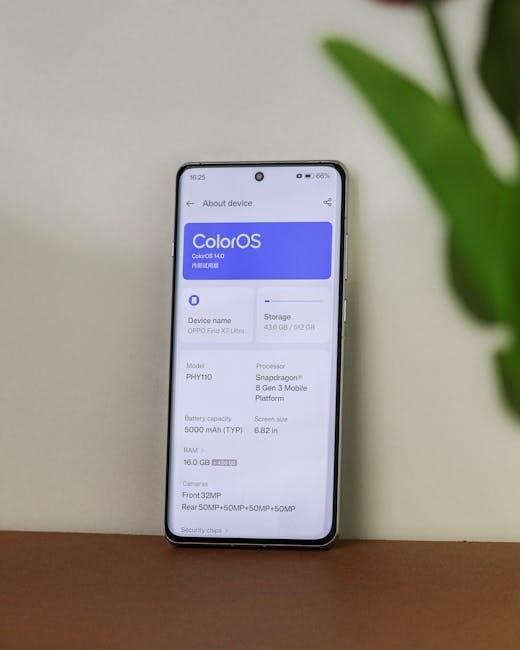
Advanced system customization allows tailoring the Hills alarm system to your specific needs. Zone programming defines areas monitored by each sensor – for example‚ designating “Front Door” or “Living Room Window”. This enables precise alarm location identification. Entry/exit delay settings provide a configurable timeframe to arm or disarm the system without triggering an alarm‚ accommodating safe entry and departure.
Communication settings are vital for connecting to the monitoring center‚ facilitated by ComNav DAS Limited. Proper configuration ensures reliable alarm signal transmission. Accessing these settings typically requires a master user code. Refer to the detailed programming guide for specific instructions and advanced options. Incorrect programming can affect system performance‚ so proceed cautiously.
6.1 Zone Programming – Defining Sensor Areas
Zone programming is a crucial step in customizing your Hills alarm system. Each sensor is assigned to a specific ‘zone’‚ allowing the control panel to identify the exact location of an alarm event. For instance‚ a window sensor might be programmed as ‘Zone 01 – Kitchen Window’‚ while a door sensor becomes ‘Zone 02 – Front Door’.
This detailed zoning enables precise responses during an alarm. You can label zones descriptively for easy identification during system checks and when communicating with the ComNav DAS Limited monitoring center. The system allows for multiple zones‚ accommodating comprehensive property coverage. Incorrect zone assignments can lead to misidentification of alarm sources‚ so careful programming is essential.

6.2 Entry/Exit Delay Settings – Customization
Entry and exit delays are vital for preventing false alarms. These customizable settings provide a timed window for arming or disarming the system without triggering an immediate alarm response. The ‘exit delay’ allows you time to leave the premises after arming the system‚ while the ‘entry delay’ grants access upon returning home before the alarm activates.
Adjusting these delays to suit your routine is key. Consider the time needed to navigate entry points. Shorter delays may be suitable for quick access‚ while longer delays are better for larger properties or slower movement. Incorrectly configured delays can cause unnecessary alarm activations‚ potentially incurring fees or disrupting the ComNav DAS Limited monitoring center. Careful adjustment ensures a balance between security and convenience.
6.3 Communication Settings – Monitoring Center Connection (ComNav DAS Limited)
Reliable communication with the ComNav DAS Limited monitoring center is crucial for a fully functional alarm system. This section details configuring your system to ensure seamless data transmission during alarm events. Your Hills system utilizes various communication pathways‚ potentially including cellular‚ landline‚ or internet connections‚ to relay signals to ComNav;
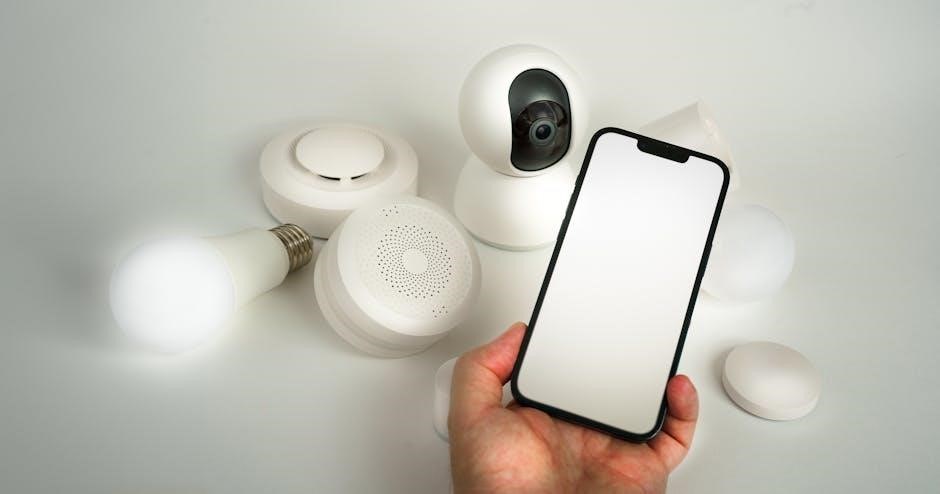
Proper configuration involves verifying the correct account details and communication protocols are programmed into the control panel. Regularly testing the communication link is essential to confirm signal integrity. Any changes to your internet service provider or phone line require updating these settings. Contact ComNav DAS Limited directly for assistance with complex configurations or troubleshooting communication failures‚ ensuring continuous protection and rapid response.
Battery Backup & Maintenance
Maintaining optimal performance of your Hills alarm system requires attention to the battery backup and regular system checks. The battery provides power during outages‚ ensuring continued protection. Expect a typical battery life expectancy of 3-5 years‚ depending on usage and environmental factors. It’s crucial to replace the battery proactively before it fails‚ preventing system downtime.
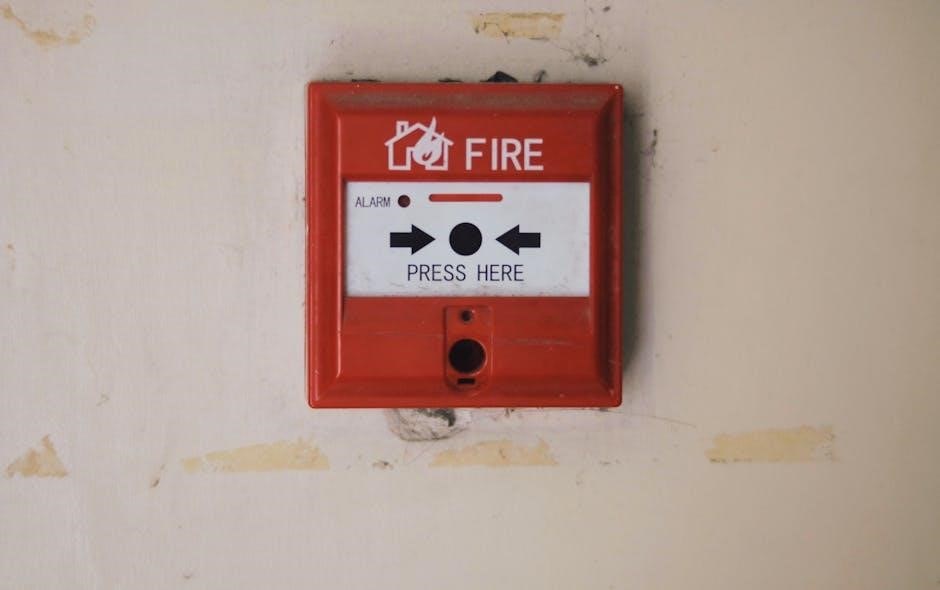
Regular system testing – at least every six months – verifies all components are functioning correctly‚ including sensors‚ the keypad‚ and communication links. Schedule reminders for battery replacement and testing. Proper maintenance extends the lifespan of your system and guarantees reliable security. Consult the system logs for any error messages indicating potential issues requiring attention.
7.1 Battery Life Expectancy & Replacement
The battery powering your Hills alarm system is a vital component‚ providing uninterrupted security during power outages. Typically‚ these sealed lead-acid batteries have a life expectancy of 3 to 5 years‚ though this can vary based on climate‚ power fluctuations‚ and system usage. Regularly monitor the system for low-battery warnings‚ often indicated on the keypad display.
Replacement is straightforward but requires caution. Always disconnect the system from mains power before proceeding. Carefully remove the old battery and install the new one‚ ensuring correct polarity. Dispose of the old battery responsibly‚ following local regulations for recycling. After replacement‚ power up the system and verify the battery is charging correctly. A fully charged battery ensures continued protection when you need it most.
7.2 System Testing – Regular Checks
Maintaining optimal performance requires consistent system testing. We recommend conducting a full system check at least once every six months‚ and ideally‚ monthly. Begin by activating each sensor – door/window contacts‚ motion detectors – to confirm they trigger an alarm signal at the control panel and‚ if connected‚ the monitoring center (ComNav DAS Limited).
Verify the keypad functionality by arming and disarming the system using different methods‚ including key codes and remotes. Ensure the siren is functioning correctly and is audible throughout the premises. Document the test results‚ noting any discrepancies or malfunctions. Regular testing proactively identifies potential issues‚ ensuring your Hills alarm system remains a reliable safeguard against intrusion and emergencies.
Troubleshooting Common Issues
Encountering problems? This section addresses frequent issues with your Hills alarm system. Keypad errors often stem from incorrect code entry or low battery levels; try replacing the batteries or resetting your code. Sensor malfunctions might indicate loose wiring‚ obstructions‚ or battery depletion – inspect connections and replace batteries as needed.
Communication failures‚ impacting connection to ComNav DAS Limited‚ could be due to a disrupted phone line or internet outage. Verify your connection and contact your service provider. If issues persist‚ consult the detailed troubleshooting guides within this manual or contact Hills ComNav customer support for assistance. Remember to document any error messages for efficient support.
8.1 Keypad Errors & Solutions

Experiencing keypad difficulties? Common errors include “Invalid Code” or a frozen display. First‚ ensure the correct user code is being entered‚ paying attention to capitalization if applicable. If the code is correct‚ low battery levels within the keypad itself are a frequent cause – replace the batteries immediately.
A frozen display often resolves with a simple system reset; consult the ‘System Testing’ section for reset procedures. If errors persist‚ check for obstructions preventing key presses. For recurring issues‚ a faulty keypad may require professional replacement. Document the specific error message displayed for accurate troubleshooting with Hills ComNav support. Remember to refer to the ComNav DAS Limited manual for further guidance.

8.2 Sensor Malfunctions – Identifying & Fixing
Troubleshooting sensor issues is crucial for system reliability. Common problems include false alarms or sensors failing to register activity. First‚ visually inspect sensors for obstructions – dust‚ cobwebs‚ or moved furniture can trigger false alarms. Check battery levels in wireless sensors; low batteries are a primary cause of malfunction.
If a sensor consistently fails to register‚ ensure it’s correctly aligned and within range of the control panel. For wired sensors‚ inspect wiring connections for looseness or damage. Refer to the ‘Zone Programming’ section to verify the sensor is correctly configured within the system. If problems persist‚ contact Hills ComNav DAS Limited support‚ providing the specific zone number and error details for efficient assistance.
8.3 Communication Failures – Troubleshooting Steps
Maintaining connection with the monitoring center (ComNav DAS Limited) is vital. Communication failures can occur due to several reasons. Initially‚ verify the phone line connection (if applicable) is active and undamaged. For systems utilizing cellular communication‚ ensure sufficient signal strength. Check the control panel display for communication error messages – these provide valuable diagnostic clues.
Restarting the control panel can often resolve temporary communication glitches. Confirm that the system’s communication settings‚ detailed in section 6.3‚ are correctly programmed. If the issue persists‚ contact ComNav DAS Limited support‚ providing your account details and any error codes displayed. They can remotely diagnose the connection and guide you through further troubleshooting steps‚ ensuring your security remains uninterrupted.
Hills ComNav Customer Record & Support
Your dedicated support resource is ComNav DAS Limited‚ located at Suite 2‚ Level 9‚ 130 Pitt Street‚ Sydney NSW 2000. This section contains the Hills ComNav Customer Record – a crucial document for efficient support. Please complete this record accurately and retain it for future reference.
For immediate assistance with your Hills alarm system‚ contact ComNav’s customer support team. They are equipped to handle a wide range of inquiries‚ from basic troubleshooting to complex system configuration issues. Ensure you have your account details readily available when contacting support. Regular system maintenance and prompt reporting of any issues will ensure optimal performance and continued peace of mind. ComNav is committed to providing reliable and responsive support.