Overview of New York State Driver’s Manual
New York’s Driver’s Manual guides learners through licensing, rules, and safety. It’s divided into three parts: Part 1 covers general driver knowledge, Part 2 contains chapters 4‑11 with quizzes for the written test, and Part 3 covers chapters 12+. It can be accessed via the NY.gov site, ensuring securestud.

Accessing the Official Manual
To obtain the most current edition of the New York State Driver’s Manual, visit the official Department of Motor Vehicles website at dmv.ny.gov. The site uses the secure https:// protocol and is hosted on the ny.gov domain, guaranteeing that the information is authentic and up‑to‑date. On the homepage, locate the “Driver’s Manual” link in the “Resources” section or use the search bar to type “Driver’s Manual.” The manual is available in two formats: a printable PDF and an interactive web version. The PDF is 80 pages long, approximately 1.6 MB, and can be downloaded directly to your computer. To view the PDF you must have Adobe Acrobat Reader 7.0 or newer; the latest free version can be downloaded from Adobe’s official site. The online version displays Parts 1, 2, and 3 (Chapters 1‑12) and includes embedded quizzes for Chapters 4‑11. When downloading, ensure the file name ends with “NY‑Drivers‑Manual.pdf” and that the URL begins with “https://dmv.ny.gov/”. If you encounter a “404” error, clear your browser cache or try a different browser. The manual is updated annually; the current edition is marked with a version number in the header. Keep a copy for reference when studying for the written test or for refresher knowledge. If you need a hard copy, the DMV offers a printed version for a small fee. For any questions, contact the DMV’s customer support via the “Contact Us” page or call the toll‑free number listed on the site. All links and downloads are protected by SSL encryption, ensuring your data remains secure during the transfer. This process guarantees that you receive the official, most recent driver’s manual for New York State, which is essential for passing the written exam and for safe driving practices. Additionally, the manual includes a glossary of key terms, a list of emergency contacts, and a QR code that links to the DMV’s mobile app for real‑time traffic updates.

Structure of the Manual: Parts and Chapters
The New York State Driver’s Manual is organized into three distinct parts, each serving a specific purpose for learners and seasoned drivers alike. Part 1, titled “Driver Information,” contains Chapters 1 through 3 and focuses on foundational knowledge such as license eligibility, renewal procedures, and vehicle ownership responsibilities. Part 2, the “Written Test Core,” spans Chapters 4 through 11 and introduces traffic control, intersection rules, and road‑sign recognition; these chapters are paired with interactive quizzes that mirror the actual DMV exam. Part 3, “Advanced Topics,” covers Chapters 12 and beyond, addressing more nuanced subjects like defensive driving, commercial vehicle regulations, and special‑purpose permits. Each chapter is clearly labeled, includes a concise summary, and offers a glossary of key terms. The manual’s layout follows a logical progression: from basic licensing concepts to the specific rules tested on the written exam, and finally to advanced driving scenarios. This structure ensures that readers can navigate the material efficiently, focusing on the sections most relevant to their current learning stage. The manual’s design also accommodates both online and PDF formats, preserving the same chapter organization across platforms. By following this systematic approach, learners can systematically build knowledge, test their comprehension, and prepare thoroughly for the DMV’s written assessment. Part 1 comprises 15 pages, Part 2 spans 30 pages, and Part 3 covers 20 pages, with a consistent color‑coded scheme that helps readers quickly identify the section type. The PDF version retains the same pagination as the print edition, ensuring consistency, while the online version allows bookmarking chapters for easy access. The manual also includes a table of contents, index, and reference section, and each chapter ends with a set of practice questions—except Part 1, which is informational only—providing a comprehensive learning experience that aligns with the official DMV requirements.

Detailed Topics in Part One
Part One of the New York State Driver’s Manual focuses on essential background knowledge that every driver should master before confronting the written exam. Chapter 1, “Driver Licenses,” explains the various license classes (Class D, DJ, E, and commercial), the eligibility criteria, and the documentation required for each. It also outlines the process for obtaining a learner’s permit, the restrictions that accompany it, and the steps to upgrade to a full license. Chapter 2, “How to Keep Your License,” covers renewal procedures, the importance of maintaining a clean driving record, and the penalties for violations such as driving under the influence or excessive speeding. The chapter emphasizes the role of the Department of Motor Vehicles in monitoring license status and the necessity of updating personal information. Chapter 3, “Owning a Vehicle,” delves into vehicle registration, insurance requirements, and the responsibilities of vehicle owners, including proper storage, maintenance, and reporting of accidents. It also addresses the legal implications of uninsured or under‑insured drivers and the process for transferring ownership. Together, these three chapters provide a comprehensive foundation that equips drivers with the knowledge to navigate licensing, compliance, and ownership responsibilities, ensuring they are well‑prepared for the practical aspects of driving in New York. Readers are encouraged to review each chapter thoroughly, as the knowledge gained here forms the backbone of safe driving practices across the state. The manual also highlights the importance of staying updated with traffic law changes, ensuring that drivers remain compliant with evolving regulations. Use this manual as your study guide.

Topics in Parts Two and Three
Part Two of the New York State Driver’s Manual contains the core material that candidates must master to pass the written licensing exam. Chapters 4 through 11 cover traffic control, intersections, turns, right‑of‑way, traffic signs, signals, and special driving situations such as school buses, construction zones, and adverse weather. Each chapter is paired with interactive quizzes that present realistic test questions, allowing learners to gauge their readiness and identify weak areas. The quizzes are designed to mirror the format of the official DMV test, providing immediate feedback and explanations for correct and incorrect answers. This interactive approach encourages active learning and reinforces key concepts through repetition and practice.
Part Three continues the curriculum with chapters 12 and beyond, addressing advanced topics such as defensive driving, vehicle maintenance, and the responsibilities of commercial drivers. These chapters delve into the nuances of operating larger vehicles, understanding load limits, and complying with federal regulations. They also cover the legal obligations of drivers in the event of an accident, including reporting procedures and insurance requirements. Part Three’s content is essential for those seeking a deeper understanding of safe driving practices and for individuals preparing for commercial or specialized licenses. Together, Parts Two and Three provide a comprehensive framework that equips drivers with the knowledge, skills, and confidence needed to navigate New York’s roads responsibly and legally.
The manual also emphasizes the importance of staying current with traffic law updates, encouraging drivers to review the latest regulations regularly. By systematically studying these chapters, learners can build a solid foundation that supports safe driving habits and reduces the likelihood of infractions. Additionally, the manual offers guidance on how to interpret complex traffic signs and symbols, ensuring that drivers can quickly recognize and respond to visual cues on the road.

Chapters Requiring Practice Tests
Chapters 4–11 in the New York State Driver’s Manual contain the material required for the written licensing exam. Each of these chapters—traffic control, intersections, turns, right‑of‑way, traffic signs, signals, school buses, construction zones, and adverse weather—includes an interactive quiz that mirrors the official DMV test format. The quizzes present realistic multiple‑choice questions, provide instant feedback, and help learners identify knowledge gaps. By mastering these quizzes, candidates meet the score threshold necessary to progress. The manual also offers a final assessment covering Parts Two and Three, ensuring a comprehensive review before a license is issued. Practice tests are updated annually and accessed securely through the NY.gov domain, guaranteeing current content and reliable study tools.
Students often find the quizzes challenging, but the instant feedback mechanism is a powerful learning aid. Each incorrect answer is accompanied by a concise explanation that references the specific rule or regulation, allowing learners to understand why a particular choice is correct or incorrect. This approach not only reinforces knowledge but also builds the critical thinking skills necessary for safe driving. Additionally, the manual provides printable study sheets and a glossary of terms, which can be used to review key concepts outside of the interactive environment. By combining the quizzes with these supplementary materials, drivers can create a balanced study routine that addresses both theoretical understanding and practical application. Consistent practice with the quizzes also helps acclimate learners to the time constraints of the actual DMV exam, reducing test‑day anxiety and improving overall performance.
Interactive Quizzes and Test Questions
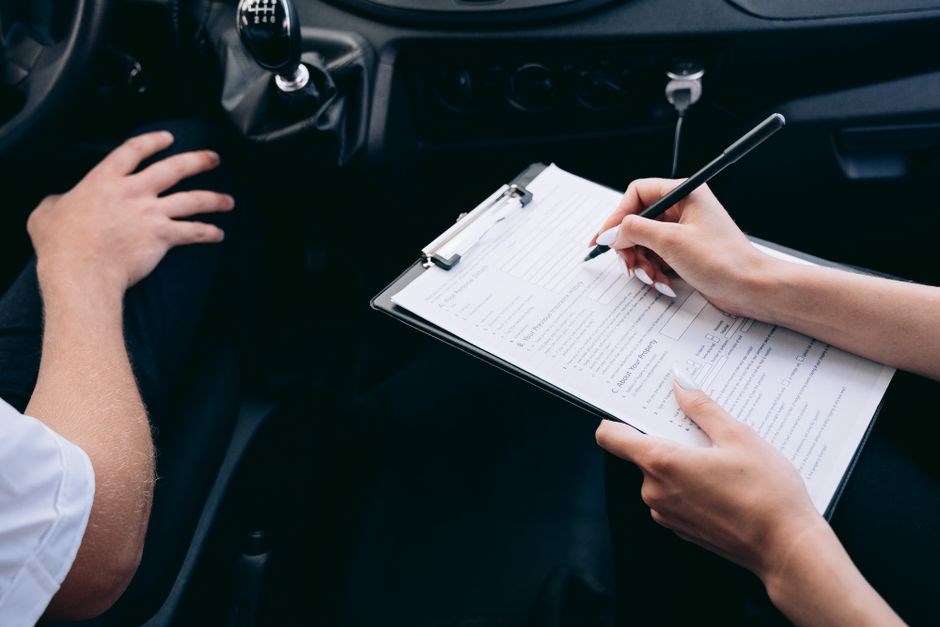
In the New York State Driver’s Manual, Chapters 4 through 11 contain interactive quizzes that mirror the official DMV written exam. Each quiz presents realistic multiple‑choice questions with instant feedback and explanations tied to the specific rule or regulation. The format lets students test knowledge in real time, spot weak areas, and track progress as they move through the material. Hosted on the secure NY.gov domain using HTTPS, the quizzes protect data during study sessions. Because the questions reflect the actual permit test, learners gain familiarity with exam structure, timing, and style. The manual also offers a final practice test covering Parts Two and Three, providing a comprehensive review before the license application. Engaging with these quizzes builds confidence, improves retention, and reduces test‑day anxiety. Instant scoring and detailed feedback help students understand why answers are correct or incorrect, reinforcing safe driving habits and compliance with state regulations.
Beyond the quizzes, the manual supplies printable study sheets, a glossary of terms, and a list of frequently asked questions. Students can download the PDF version for offline practice, ensuring continuity when internet access is limited. The quizzes are updated annually to reflect changes in traffic laws or DMV test formats. Features include drag‑and‑drop exercises for traffic sign identification and scenario‑based questions that require decision‑making under simulated conditions. These tools help learners develop critical thinking and situational awareness, essential for safe driving. By reviewing quiz results and revisiting corresponding chapters, drivers can solidify understanding and achieve the required score for the written test. The combination of quizzes, feedback, and resources creates a tailored environment for New York’s licensing requirements.
PDF Download Requirements
The official New York State Driver’s Manual is available as a downloadable PDF from the secure NY.gov website. The file contains the full 80‑page printed manual, about 1.6 MB. To view or print it, you need Adobe Acrobat Reader® version 7.0 or newer. The latest reader is free from Adobe’s site and supports all PDF features, including zoom, search, and accessibility tools. The PDF is hosted on an HTTPS‑secured domain, ensuring the download is encrypted and tamper‑proof. Clicking the “Download PDF” button prompts the browser to save the file locally. After saving, open it with Acrobat Reader to confirm the title page reads “New York State Driver’s Manual” and the table of contents lists Parts 1, 2, and 3. If the file fails to open, verify that your Acrobat Reader is up to date and that you’re on a secure network. The manual’s current edition carries a version number on the front cover. Users should check the NY.gov site for the latest PDF before studying. The PDF preserves layout, images, and hyperlinks present in the online version, allowing offline review of all chapters, including interactive quiz links that open in a browser when clicked. For accessibility, the PDF includes tagged text for screen readers. No additional software is required beyond Acrobat Reader. The download process is straightforward: locate the “Download PDF” link on the manual’s landing page, click, choose a destination folder, and wait for the transfer to finish. Once downloaded, you can open, bookmark, and annotate the manual to track progress. The PDF is the definitive source for exam preparation, ensuring all information matches the official DMV test content. It is recommended that learners keep a copy on a USB drive or cloud storage for easy access during travel or study breaks. The NY.gov site also provides a “Print” button that generates a printable version of the PDF, which can be useful for those who prefer hard copies. By following these steps, users can reliably obtain the complete driver’s manual and use it to prepare for the written test and beyond. Download PDF for offline study.!

Updating and Version Control
New York State regularly updates its Driver’s Manual to reflect changes in traffic laws, technology, and safety standards. The Department of Motor Vehicles (DMV) releases a new edition every two years, with interim revisions posted online as “updates” or “addenda.” Each edition carries a version number and publication date on the title page. When a new edition is issued, the website automatically replaces the previous PDF link, but older PDFs remain in an archive folder for reference. The DMV’s version control policy ensures all drivers study the same, up‑to‑date material, reducing confusion and improving safety on New York roads. This ensures that every driver uses the most accurate information. Drivers should verify the edition number before studying. to stay current!
- Check the manual’s title page for the edition number and publication date.
- Verify that the online PDF link points to the latest version, not an archived copy.
- Download the “Version History” table to see all changes since the previous edition.
- Use the DMV’s “Updates” section to read bulletins about rule changes before the manual is revised.
- Confirm the test preparation page lists the same edition number used in the manual.
Version control also tracks changes to road signs and driver education requirements. The DMV publishes a quarterly bulletin that summarizes any new regulations. Drivers can access these updates directly from the manual’s online portal. Stay informed to drive safely. Check the manual before driving activity.

Official New York DMV Resources
Official NY DMV resources include the main NY.gov site, the online Driver’s Manual PDF, interactive quizzes, the Practice Test portal, and the DMV’s FAQ and contact pages. All links use HTTPS and the ny.gov domain for secure access. Visit DMV portal for new rules. now! soon
Part One Contains Driver Information Not on Permit Test
Part One of the New York State Driver’s Manual covers essential background that is not tested on the learner‑permit exam. It is divided into three chapters that introduce licensing basics, license upkeep, and vehicle ownership.
Chapter 1 – Driver Licenses details the types of licenses, eligibility, required documents, and the steps to obtain a learner’s permit or full license.
Chapter 2 – How to Keep Your License explains renewal, updating personal data, handling suspensions, and the importance of maintaining a clean driving record.
Chapter 3 – Owning a Vehicle outlines vehicle registration, insurance, taxes, safety inspections, and reporting a lost or stolen vehicle.
Beyond the exam, Part One equips drivers with knowledge that promotes responsible behavior on the road. Understanding the legal obligations of licensing, renewal, and vehicle ownership helps prevent infractions, reduces the risk of accidents, and ensures drivers are prepared for scenarios such as insurance claims and traffic violations. This foundational knowledge is essential for building confidence and fostering a culture of safety among New York motorists.
These insights reinforce compliance and prepare drivers for deeper study. Stay safe.
Part Two Includes Chapters 4-11 for Written Test
Part Two of the New York State Driver’s Manual is the core of the written exam preparation. It contains Chapters 4 through 11, each focusing on a specific aspect of driving law and safety that the DMV requires candidates to master. The chapters are organized as follows:
- Chapter 4 – Traffic Control: Covers traffic signals, signs, and road markings, including right‑of‑way rules and the meaning of various symbols.
- Chapter 5 – Intersections and Turns: Explains how to approach, navigate, and exit intersections safely, with emphasis on turn‑lanes and yield signs.
- Chapter 6 – Vehicles and Their Parts: Details vehicle components, maintenance basics, and the importance of proper lighting and mirrors.
- Chapter 7 – Driving in Different Conditions: Discusses weather, night, and adverse road conditions, and how to adjust driving behavior accordingly;
- Chapter 8 – Pedestrians, Cyclists, and Motorcyclists: Highlights shared‑road etiquette, safe distances, and protective measures for vulnerable road users.
- Chapter 9 – Alcohol and Drugs: Explores the legal limits, penalties, and the impact of substances on driving performance.
- Chapter 10 – Traffic Violations and Penalties: Outlines common infractions, points, fines, and the process of license suspension or revocation.
- Chapter 11 – Roadside Emergencies: Provides guidance on handling breakdowns, accidents, and the use of emergency equipment.
Each chapter concludes with an interactive quiz that mirrors the format of the official DMV test. These quizzes present realistic scenarios, multiple‑choice questions, and immediate feedback, allowing learners to gauge their readiness and identify weak areas. By systematically working through Chapters 4‑11 and completing the quizzes, test takers build a solid knowledge base that directly translates to higher pass rates on the written exam.
The structure of Part Two also emphasizes the importance of situational awareness, defensive driving techniques, and adherence to state regulations. By mastering these chapters, drivers not only prepare for the written test but also cultivate habits that reduce the likelihood of accidents and infractions on the road.
Part Three Covers Remaining Chapters 12 and Beyond
Part Three of the New York State Driver’s Manual contains the material that extends beyond the core written‑exam chapters. It includes Chapters 12 and any additional sections that provide deeper insight into advanced driving topics, such as defensive driving, vehicle safety features, and the legal responsibilities of commercial drivers. These chapters are designed for drivers who wish to broaden their knowledge beyond the basic licensing requirements, and they also serve as a reference for experienced drivers who need to stay current with changes in traffic laws and vehicle technology. The content is organized into thematic units that cover:
- Advanced traffic scenarios and how to handle complex intersections.
- Use of safety equipment, such as airbags, seat belts, and child restraints.
- Understanding the impact of weather, lighting, and road conditions on vehicle handling.
- Legal aspects of driving, including liability, insurance, and the consequences of violations.
Each chapter concludes with a set of review questions, but unlike the quizzes in Part Two, these are not part of the official written test. Instead, they serve as a reference for real‑world driving challenges. The manual also includes appendices that provide quick reference charts, a glossary of terms, and a list of resources for further study. By completing Part Three, drivers gain a comprehensive understanding of the rules and best practices that govern safe and responsible driving in New York State. NY.gov updates regulations daily—check now! today!
Chapters 4-11 Feature Interactive Quizzes
Chapters 4 through 11 of the New York State Driver’s Manual are the core of the written‑exam preparation. Each chapter focuses on a distinct aspect of road‑use knowledge: traffic control, intersections, turns, right‑of‑way, pedestrian rules, and more. The online version of the manual, hosted on the official NY.gov domain, offers interactive quizzes that mirror the actual DMV test format. These quizzes present realistic driving scenarios, multiple‑choice questions, and immediate feedback. After selecting an answer, the system displays whether the choice was correct and provides a brief explanation, reinforcing learning. The quizzes are designed to help students identify weak areas and track progress. They are accessible through the manual’s web interface and can be completed on any device with a browser. The interactive format encourages active engagement, making the study process more effective than passive reading; Each quiz is tied to a specific chapter, ensuring that learners review the material they need to master before attempting the official written test; The system also records scores, allowing users to review past performance and focus on topics that require additional practice. By integrating quizzes directly into the manual, New York’s DMV promotes a comprehensive, self‑paced study experience that aligns with the state’s licensing standards. Students can also download the PDF version of the manual, which includes all quizzes and practice resources. The PDF is available in multiple languages, ensuring accessibility for non‑English speakers. By reviewing the manual’s detailed explanations and taking the quizzes repeatedly, learners build confidence, reduce test anxiety, and improve their chances of passing the written exam!!
NY.gov Domain and HTTPS Security Standards
NY.gov is the official domain for all New York State government agencies, including the Department of Motor Vehicles. Every page on the site begins with https://, ensuring that data exchanges are encrypted with TLS 1.2 or higher. The lock icon in the browser’s address bar confirms a secure connection. This standard protects personal information such as driver license numbers, addresses, and payment details from interception. The DMV’s online manual, practice tests, and application portals all operate under these protocols, guaranteeing that users submit sensitive data only to verified servers. In addition to encryption, the site implements strict authentication and session management policies. Cookies are flagged as secure and HttpOnly, reducing the risk of cross‑site scripting attacks. Regular security audits are conducted by the state’s IT department, and any vulnerabilities are patched promptly. Users are encouraged to keep their browsers updated and to avoid using public Wi‑Fi when accessing the manual or filling out forms. By adhering to these HTTPS standards, NY.gov ensures that learners can study, practice, and apply for licenses with confidence, knowing that their information remains confidential and tamper‑proof. The SSL/TLS certificates are by authorities, and the site’s certificate chain is verified. Users the lock icon to view certificate details, ensuring domain authenticity. This approach aligns with federal cybersecurity guidelines, protecting data and the licensing process.