Discover the world of reusable period care! Explore readily available, downloadable PDF patterns for crafting your own cloth pads, offering a sustainable and cost-effective alternative․
What are Cloth Pads?
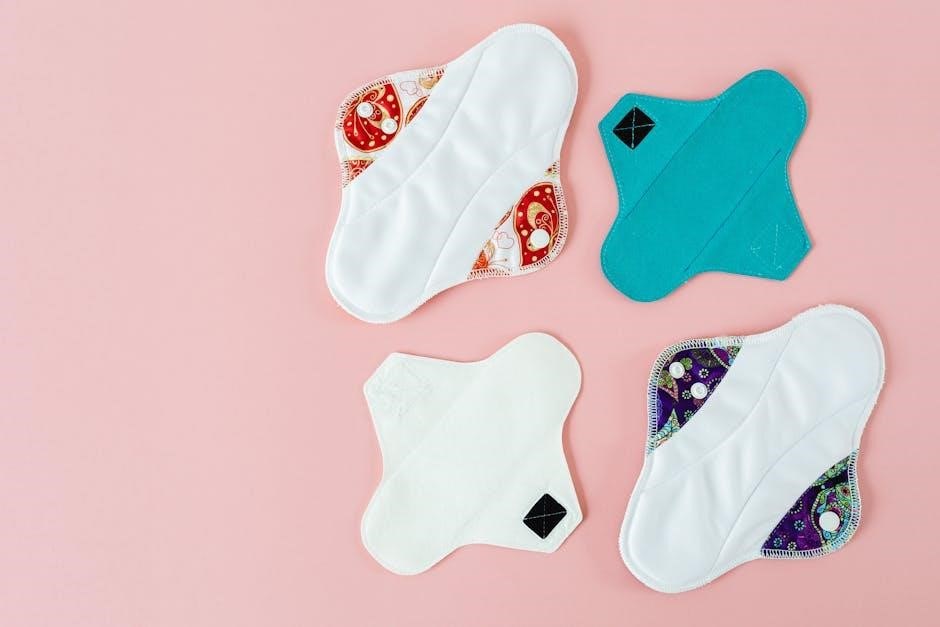
Cloth pads represent a return to traditional menstrual hygiene, offering a reusable and eco-friendly alternative to disposable pads and tampons․ These pads, crafted from soft, absorbent fabrics, are designed to be washed and reused, significantly reducing waste and providing a comfortable experience․ PDF patterns allow you to create these yourself!
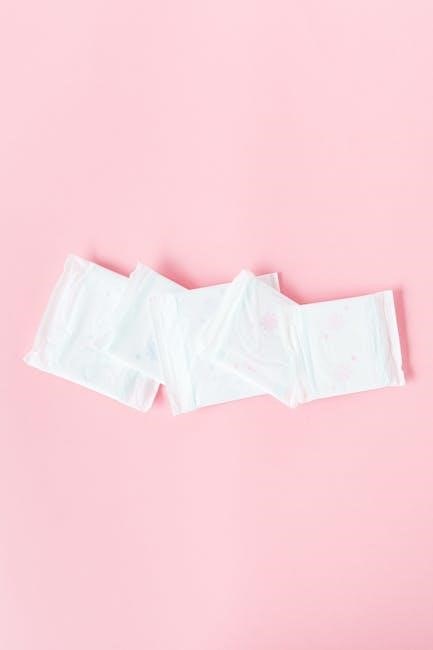
Unlike their disposable counterparts, cloth pads are typically made with multiple layers – a moisture-wicking top layer, an absorbent core, and a waterproof outer layer․ Free cloth pad patterns often detail these layers, enabling you to customize absorbency and comfort․ They come in various shapes and sizes, mirroring disposable pad options like pantiliners, regular pads, and overnight pads, as seen in available bundles offering six designs․
Benefits of Using Cloth Pads
Embrace a healthier and more sustainable period experience! Cloth pads offer numerous advantages, starting with environmental responsibility – reducing landfill waste from disposable products․ They’re also kinder to your body, free from harsh chemicals and fragrances often found in commercial pads․
Free cloth pad patterns empower you to control fabric choices, tailoring pads to your sensitivity levels․ Cost savings are significant over time, as a set of reusable pads replaces ongoing disposable purchases․ Patterns, like those offering 12 lengths, provide versatility for different flow days․ Plus, crafting your own pads is a rewarding and creative endeavor!
Why Choose a Free Pattern?
Starting your cloth pad journey doesn’t require a large investment! Free patterns are an excellent entry point, allowing you to experiment with designs and materials without significant financial commitment․ Many downloadable PDF patterns, like those found on Etsy, offer comprehensive instructions and variations – 12 lengths and multiple wing widths are often included․
Free resources let you test different core designs before committing to more complex or expensive patterns․ This is ideal for beginners, building confidence with basic sewing techniques․ You can then customize patterns to your preferences, creating a truly personalized and sustainable period solution․
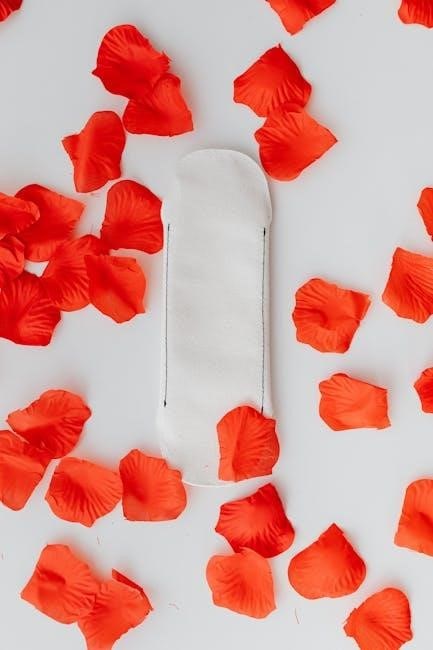
Finding Free Cloth Pad Patterns Online
Locate downloadable PDF patterns on platforms like Etsy, Ravelry, and various crafting blogs, offering a diverse range of free cloth pad designs for all skill levels․
Etsy as a Resource for Patterns
Etsy emerges as a prominent marketplace for discovering a wealth of cloth pad patterns, including numerous PDF downloads․ Many independent designers offer beginner-friendly options, with one pattern providing 12 different lengths – ranging from 7 to 18 inches – to accommodate varying flow needs and preferences․
Furthermore, these Etsy patterns often feature customizable elements like two wing width choices and three distinct core design options, allowing for personalized pad construction․ Detailed sewing guidelines and video demonstrations are frequently included, easing the process for novice sewers․ Patterns typically specify snapped widths, falling between 2․4 and 2․9 inches, and cater to both beginner and intermediate skill levels, offering instant digital access․
Ravelry and Other Crafting Communities
Beyond Etsy, vibrant crafting communities like Ravelry can be invaluable resources for locating free and affordable cloth pad patterns․ These platforms foster collaboration, allowing sewists to share their creations, modifications, and pattern recommendations․ While dedicated PDF patterns might be less common as free downloads directly on Ravelry, users frequently link to blog posts or external websites hosting them․
Other online forums and Facebook groups dedicated to sustainable living or zero-waste crafting often feature shared pattern resources․ These communities provide a space to ask questions, receive support, and discover unique designs not readily available elsewhere, expanding your options beyond commercial pattern offerings․
Blogs and Websites Offering Free Downloads
Numerous blogs and websites dedicated to sewing and sustainable living frequently offer free cloth pad patterns as PDF downloads․ These resources often provide detailed instructions, accompanied by photographs or video tutorials, making them ideal for beginners․ Searching for terms like “free cloth pad pattern” or “DIY reusable menstrual pads” will yield a wealth of options․
Many sewists generously share their designs online, contributing to a growing collection of accessible patterns․ Be sure to check the licensing terms, as some patterns may be for personal use only․ Exploring these blogs can also inspire customization and provide valuable sewing tips․
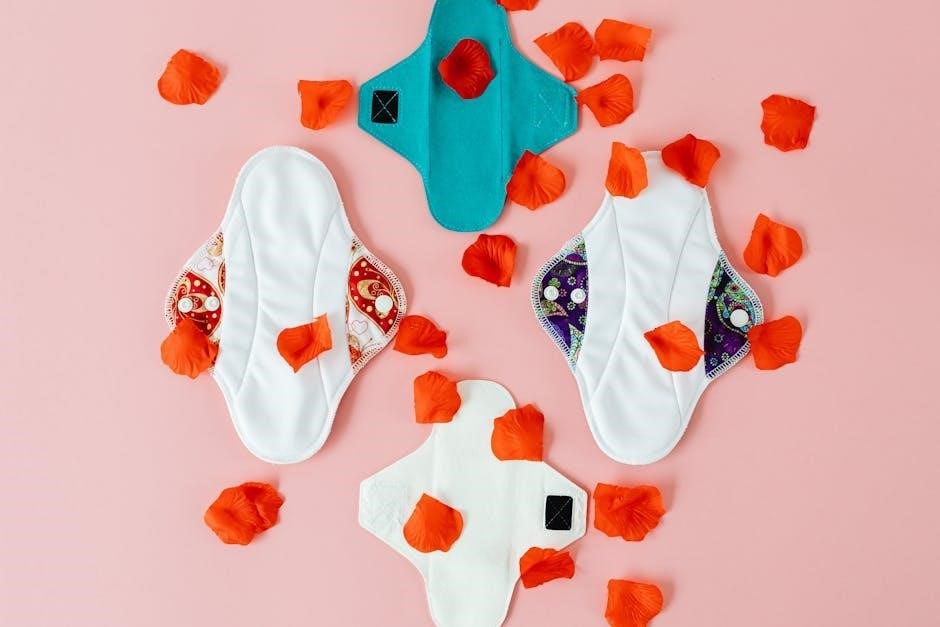
Understanding Cloth Pad Anatomy
Learn the key components: core, inner, and outer layers, plus wings and snaps! PDF patterns highlight these, enabling you to construct effective, reusable menstrual pads․
Core Layer: Absorbency Explained
The core layer is the heart of a cloth pad, responsible for absorbing menstrual flow․ Free PDF patterns often offer varied core designs – standard, or boosted for heavier flows․ Materials like cotton flannel, bamboo, and hemp are commonly used due to their excellent absorbency properties․
Pattern instructions will guide you on the number of layers needed for desired absorbency․ A single layer might suffice for pantiliners, while night pads require multiple layers for overnight protection․ Understanding the absorbency of each fabric allows for customization based on individual needs․ PDF downloads frequently detail recommended fabric combinations for optimal performance and comfort․
Boosted cores can incorporate additional absorbent materials strategically placed for enhanced capacity․ This is particularly useful for those with heavier periods or seeking extra security during nighttime use․
Inner Layer: Moisture Wicking Fabrics
The inner layer, crucial for comfort, sits directly against the skin and wicks moisture away from the body․ Free cloth pad PDF patterns emphasize using fabrics like athletic wicking fleece or cotton flannel for this purpose․ These materials prevent feelings of dampness, keeping you feeling fresh and dry throughout the day․
Choosing the right fabric is vital to prevent skin irritation and maintain hygiene․ PDF pattern instructions often recommend avoiding microfiber, as it can harbor bacteria․ The inner layer should be soft, breathable, and gentle on sensitive skin․
Proper moisture wicking contributes significantly to the overall comfort and effectiveness of the cloth pad, enhancing the user experience․
Outer Layer: PUL and Waterproofing
The outer layer of a cloth pad, detailed in many free cloth pad PDF patterns, requires a waterproof yet breathable fabric – typically Polyurethane Laminate (PUL)․ PUL prevents leaks while allowing air circulation, crucial for comfort and hygiene․ PDF instructions often specify the weight of PUL recommended for optimal performance․
Selecting high-quality PUL is essential; cheaper alternatives may delaminate over time, compromising the pad’s waterproof capabilities․ Patterns frequently advise testing PUL for waterproofness before cutting․
Proper waterproofing ensures reliable protection, making cloth pads a dependable alternative to disposable products․ This layer is fundamental to the pad’s functionality․
Wings and Snaps: Securing the Pad
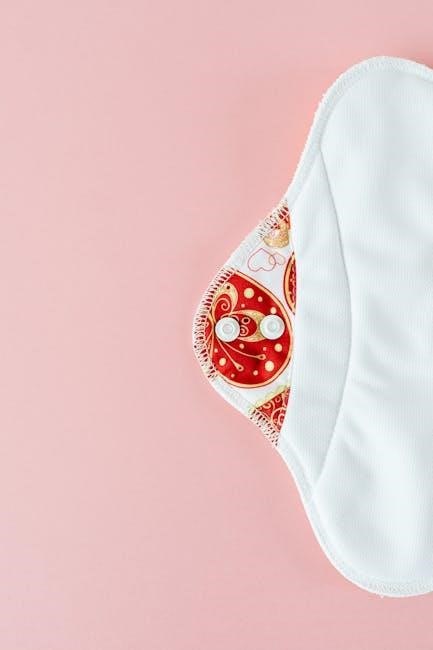
Many free cloth pad PDF patterns incorporate wings to wrap around underwear, providing a secure fit․ These wings are typically cut as part of the pad’s outer layer and folded over before sewing․ PDF guides detail precise wing width measurements, often offering options – 2․4 to 2․9 inches, as seen in some Etsy patterns․
Securing the wings involves attaching snaps, a straightforward process detailed in most patterns․ Instructions usually recommend using a snap-setting tool for a professional finish․ The placement of snaps is critical for comfort and preventing shifting․
Properly attached wings and snaps ensure the pad stays in place, offering confidence and leak protection․
Essential Materials for Sewing Cloth Pads
Gather cotton flannel, bamboo, hemp, waterproof PUL, and snaps! Download your free PDF pattern and prepare your sewing machine for a sustainable project․
Fabric Choices: Cotton Flannel, Bamboo, Hemp
Selecting the right fabrics is crucial for comfortable and effective cloth pads․ Cotton flannel remains a popular choice due to its softness, affordability, and absorbency, making it ideal for the top layer against your skin․ Bamboo fabric offers exceptional softness and superior absorbency compared to cotton, wicking moisture away effectively․ Hemp, known for its durability and natural anti-bacterial properties, provides a robust core layer, enhancing longevity․
Consider blending these fabrics for optimal performance; a flannel top layer paired with a hemp core offers both comfort and absorbency․ Remember that the PDF pattern you download may suggest specific fabric weights or combinations, so always refer to the pattern instructions for best results․ Experiment with different options to find what suits your preferences and flow!
Waterproof PUL Fabric Options
Polyurethane Laminate (PUL) is essential for preventing leaks in cloth pads, forming the waterproof outer layer․ It comes in various colors and patterns, allowing for creative designs․ Consider the weight of the PUL; lighter weights are more breathable, while heavier weights offer increased leak protection․ Look for PUL specifically designed for cloth diapering or menstrual products, ensuring it’s body-safe and free from harmful chemicals․
When using a PDF pattern, ensure it specifies the appropriate amount of PUL needed․ Remember to properly seal the edges of the PUL during sewing to maintain its waterproof integrity․ Explore options like printed PUL for a fun aesthetic, but prioritize quality and safety above all else!
Snap Selection and Tools
Securing cloth pad wings requires quality snaps and the right tools․ Common snap sizes include size 20 or KAM snaps, offering reliable closure․ Invest in a snap setter kit – either a pliers-style or a hammer-style – to ensure snaps are firmly attached without damaging the fabric․ Consider the snapped width specified in your PDF pattern (e․g․, 2․4 to 2․9 inches) when positioning snaps․
Always test the snap closure after installation․ Ensure snaps are placed symmetrically on both wings for a secure and comfortable fit․ Proper snap application prevents gapping and ensures the pad stays securely in place during use․
Thread and Sewing Machine Considerations
Selecting the right thread is crucial for durable cloth pads․ Polyester thread is recommended for its strength and resistance to fraying, especially when working with PUL fabric․ A universal needle size 80/12 or 90/14 generally works well with the various fabric layers used in cloth pad construction․ Ensure your sewing machine is properly threaded and tension is adjusted for optimal stitch quality․
Straight stitch is the primary stitch used, but a zigzag stitch can reinforce edges․ Regular machine maintenance, including cleaning and oiling, will ensure smooth sewing and prevent issues․
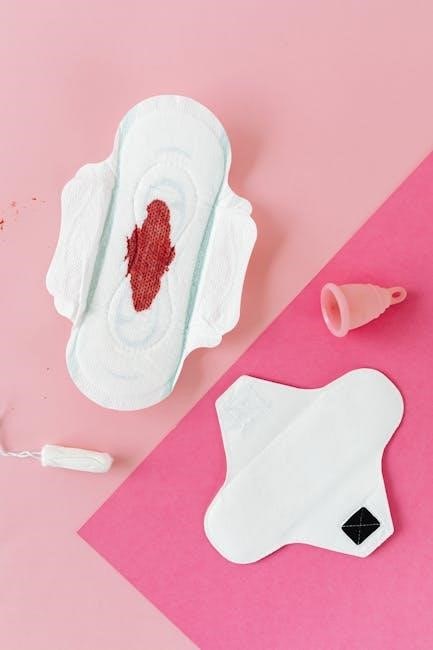
Pattern Features & Variations
Explore diverse designs! Patterns offer varying lengths – from 7 to 18 inches – alongside wing width options and core absorbency levels for personalized comfort․
Different Pad Lengths (7-18 inches)
Choosing the right length is crucial for comfort and protection․ Free cloth pad patterns frequently offer a wide spectrum of sizes, typically ranging from a petite 7 inches up to a substantial 18 inches․ Shorter pads, around 7-16․5cm, are ideal as pantiliners for light discharge or spotting, providing a discreet and comfortable option for everyday wear․
Medium lengths, approximately 21․5cm, suit average flow days, offering reliable absorbency․ For heavier flows or nighttime use, longer pads – 26․5cm and beyond, extending to 18 inches – provide extended coverage and peace of mind․ Many downloadable PDF patterns, like those found on Etsy, include multiple length options within a single purchase, allowing you to create a complete set tailored to your individual needs and cycle․
Wing Width Options
Wing width significantly impacts how securely a cloth pad wraps around underwear․ Free PDF patterns often provide choices, typically offering at least two variations․ Narrower wings, around 2․4cm, are more discreet and work well with closer-fitting underwear, minimizing bulk and maximizing comfort for active lifestyles․
Wider wings, extending to approximately 2․9cm, provide a more substantial wrap, offering enhanced security, particularly for heavier flows or overnight use․ This is especially beneficial for those who prefer a more secure feel or have difficulty with pads shifting․ Patterns available online, such as those on Etsy, clearly specify these dimensions, allowing sewists to select the wing width best suited to their preferences and underwear style․
Core Design Options (Standard, Boosted)
Core design dictates a cloth pad’s absorbency․ Free PDF patterns frequently offer ‘standard’ and ‘boosted’ options․ A standard core typically utilizes a single layer of absorbent fabric like cotton flannel, bamboo, or hemp, suitable for lighter flows or daytime use․
A ‘boosted’ core incorporates additional layers of absorbent material, or even a pocket to insert extra boosters, dramatically increasing capacity for heavier flows or overnight protection․ Etsy patterns showcase this, providing options for customizing absorbency․ Sewists can tailor the core to their individual needs, creating a versatile set of pads for all phases of their cycle, ensuring comfort and confidence․
Pantiliner vs․ Regular vs․ Night Pad Designs
Free PDF patterns often include designs catering to different flow levels․ Pantiliners, typically around 16․5cm long, offer light protection for spotting or backup․ Regular pads, around 21․5cm, suit moderate flows during the day, providing comfortable and reliable coverage․
Night pads, extending to 26․5cm or more, are designed for maximum absorbency and coverage during sleep․ Bundled Etsy patterns frequently feature all three, allowing sewists to create a complete set․ Variations in width and core design further customize each pad type, ensuring a perfect fit and optimal protection throughout the menstrual cycle․
Sewing Techniques for Beginners
Master basic skills like accurate fabric cutting, layering, and straight stitching! Learn to securely attach wings and snaps for a durable, reusable cloth pad․
Cutting Fabric Accurately
Precision is key when crafting cloth pads! Utilizing a rotary cutter, mat, and ruler ensures clean, accurate cuts, vital for a well-shaped and functional pad․ Downloaded PDF patterns often include templates; print these at 100% scale to maintain correct dimensions․ Carefully trace the pattern pieces onto your chosen fabrics – flannel, bamboo, or hemp for the core, and PUL for the waterproof layer․
Pay close attention to grain lines, especially with patterned fabrics, to ensure consistent appearance․ A slightly off-cut can impact the pad’s shape and absorbency․ Double-check measurements before cutting, and consider adding a small seam allowance, typically ¼ inch, as indicated in most patterns․ Accurate cutting minimizes errors and contributes to a professional finish․
Layering and Sewing the Pad
Begin by layering your cut fabric pieces in the correct order: typically, outer fabric (often cotton flannel), core absorbent layer(s), and inner moisture-wicking layer․ Pin securely to prevent shifting during sewing․ Using a straight stitch, sew around the perimeter of the pad, leaving a small opening for turning․
Clip the corners carefully to reduce bulk when turned right-side out․ Turn the pad, press it flat, and hand-stitch the opening closed with an invisible stitch․ Ensure consistent stitch length for durability․ Many PDF patterns suggest a zig-zag stitch for added strength, especially around the edges․ This layering creates a functional and comfortable cloth pad․
Attaching Wings and Snaps
Cut out the wing pieces according to your chosen PDF pattern – options range from 2․4 to 2․9 inches in width․ Fold and press the wings, then pin them securely to the sides of the pad, ensuring even placement․ Stitch the wings firmly in place, reinforcing the corners for durability․
Next, install the snaps! Mark the snap positions on both the wings and the corresponding areas on the pad’s underside․ Use a snap-setting tool to securely attach the snaps, following the pattern’s instructions․ Properly installed snaps ensure a secure and adjustable fit, crucial for comfort and leak prevention․
Finishing Techniques for Durability
Reinforce all seams with a zigzag stitch or a second pass of straight stitching, especially around the wings and snap attachments․ This prevents fraying and extends the pad’s lifespan․ Trim any loose threads carefully to avoid irritation and maintain a clean finish․ Consider serging the edges of the fabric layers for added durability, if you have access to a serger․
Wash the finished pads before first use to pre-shrink the fabric and remove any manufacturing residue․ Avoid harsh detergents and fabric softeners, opting for a gentle cycle․ Proper finishing and care, guided by your PDF pattern, will ensure your reusable pads remain comfortable and effective for years․
Specific Pattern Examples (Based on Available Info)
Etsy offers diverse PDF patterns: one features 12 lengths and 3 core designs, while another provides a 6-design bundle – pantiliners, normal, and night pads․
Etsy Pattern: 12 Lengths, 2 Wing Widths, 3 Core Designs
This comprehensive Etsy pattern empowers you to create a fully customized cloth pad collection․ It boasts an impressive range of 12 different lengths, spanning from a discreet 7 inches up to a generous 18 inches, ensuring a perfect fit for every flow and preference․ Furthermore, the pattern includes two distinct wing width options, allowing for adjustments based on your desired level of security and underwear style․
Beyond size variations, this pattern truly shines with its 3 core design options․ These cater to varying absorbency needs, from lighter days to heavier flows or nighttime use; Clear sewing guidelines are provided, making it accessible for beginner and intermediate sewers alike․ The snapped width ranges from 2․4 to 2․9 inches, offering a secure and comfortable fit․ It’s an instant digital download, so you can start sewing immediately!
Etsy Pattern: 6 Designs Bundle (Pantiliner, Normal, Night)
This Etsy bundle provides a versatile selection of cloth pad patterns, covering all stages of your menstrual cycle․ You’ll receive digital PDF patterns for six distinct designs, including a pantiliner for light days, a standard “normal” pad for everyday use, and a longer night pad for heavier overnight flow․ Each design is carefully crafted for optimal comfort and absorbency․
The pantiliner measures 16․5 cm in length and 15 cm in width, with a snapped width of 6․5 cm․ The normal pad is 21․5 cm long and 15 cm wide, also with a 6․5 cm snapped width․ Finally, the night pad extends to 26․5 cm in length, providing extended coverage․ This bundle is a fantastic starting point for building a complete cloth pad wardrobe!
Customizing Your Cloth Pad Pattern
Personalize your cloth pads! Adjust lengths and widths, add extra absorbent layers, and choose vibrant fabric prints to create pads perfectly tailored to your needs․
Adjusting Length and Width
Modifying the dimensions of your chosen free cloth pad pattern PDF is surprisingly straightforward, allowing for a truly customized fit․ Many patterns, like those found on Etsy, offer a range of lengths – from petite pantiliners at 16․5cm to substantial night pads measuring 26․5cm or even up to 18 inches! Experiment with these sizes to find what best suits your flow and underwear style․
To adjust width, consider your desired coverage and comfort․ Slight alterations to the wing width (ranging from 2․4 to 2․9 inches in some patterns) can significantly impact how securely the pad stays in place․ Remember to adjust both the main pad body and the wings proportionally to maintain a balanced design․ Careful measurement and pattern adjustments will yield optimal results!
Adding Extra Absorbency Layers
Enhance the absorbency of your free cloth pad pattern PDF creations by incorporating additional core layers․ Patterns often include options for “standard” or “boosted” cores, but you can further customize this! Consider layering fabrics like cotton flannel, bamboo, or hemp – all excellent absorbent materials․ Adding a layer or two can be particularly beneficial for heavier flows or overnight use․
When increasing absorbency, ensure your stitching is secure to prevent bunching․ Distribute the extra layers evenly throughout the core to maintain consistent absorption․ Remember to adjust the outer layers accordingly to accommodate the increased thickness․ Experiment with different combinations to find the perfect balance of comfort and protection!
Choosing Different Fabric Prints
Personalize your free cloth pad pattern PDF projects with a delightful array of fabric prints! Selecting fabrics that you love can make your reusable pads feel even more special and comfortable․ Consider using cotton flannel for the topsheet, choosing patterns that appeal to your aesthetic․ Don’t be afraid to mix and match – a fun print on top with a coordinating solid color underneath can look fantastic!
Remember to choose fabrics that are soft against the skin and free from harsh chemicals․ Explore online fabric stores or utilize your existing stash․ The possibilities are endless, allowing you to create a collection of cloth pads that reflect your unique style and personality!
Resources and Further Learning
Enhance your skills with online tutorials and vibrant sewing communities! Find helpful video demonstrations and connect with fellow crafters for support and inspiration․
Online Tutorials and Video Demonstrations
Embark on your cloth pad sewing journey with a wealth of free online resources! Numerous video tutorials break down each step, from cutting fabric accurately to mastering essential sewing techniques․ These visual guides are incredibly helpful for beginners, offering clear demonstrations of layering, stitching, and attaching wings and snaps․
Search platforms like YouTube for dedicated cloth pad sewing channels and individual tutorial videos․ Many pattern sellers on Etsy also provide accompanying video demos to support their PDF patterns, ensuring a smooth and successful crafting experience․ Explore these resources to gain confidence and refine your skills, ultimately creating comfortable and sustainable menstrual products․
Cloth Pad Sewing Communities
Connect with fellow crafters and enthusiasts in vibrant online cloth pad sewing communities! Platforms like Ravelry and dedicated Facebook groups offer a supportive space to share tips, ask questions, and showcase your creations․ These communities are invaluable for troubleshooting challenges, discovering new techniques, and finding inspiration for fabric choices and pattern customizations․
Benefit from the collective knowledge of experienced sewists who can offer guidance on everything from selecting the right PDF pattern to achieving a perfect fit․ Participate in discussions, share your progress, and learn from others’ experiences – fostering a collaborative and empowering sewing journey!
Where to Buy Materials
Source your supplies from a variety of retailers specializing in fabrics and sewing notions! Online stores like Etsy frequently host shops offering cotton flannel, bamboo fleece, hemp, and waterproof PUL fabric – essential components for crafting your cloth pads based on your chosen PDF pattern․ Local fabric stores provide a tactile shopping experience, allowing you to assess fabric quality firsthand․
Don’t forget snaps! Sewing supply stores and online marketplaces carry a wide selection of snaps and the necessary tools for attachment․ Consider purchasing in bulk to save money, especially if you plan on making multiple pads from your downloaded pattern․