Discover how a simple pdf file can transform your goal‑setting routine. By downloading and printing a ready‑made vision board, you create a tangible focus that keeps aspirations vivid. The process is quick, cost‑effective, and adaptable to any creative style. It also enables quick sharing and backup!!

Understanding the PDF Format for Vision Boards
The PDF (Portable Document Format) is the backbone of modern vision board printables. Its fixed layout guarantees that every image, quote, and color palette appears exactly as designed, regardless of the device or printer used. When you download a vision board pdf, you receive a single, self‑contained file that preserves fonts, vector graphics, and high‑resolution photos. This consistency eliminates the risk of misaligned text or distorted images that can occur with word processors or image editors. PDFs also support layers, allowing creators to hide or reveal sections, which is useful for interactive or progressive goal boards. Most printers accept pdf files natively, and the format’s compression keeps file sizes manageable—often under 5 MB—so you can share them via email or cloud services without losing quality. Additionally, pdfs can be password‑protected or signed, offering a layer of security for personal or collaborative projects. Finally, because pdf files are widely supported across operating systems, you can edit or annotate them with free tools like Adobe Acrobat Reader, Foxit, or even browser extensions, making the vision board a living document that evolves with your goals.
Key Features of Printable Vision Board PDFs
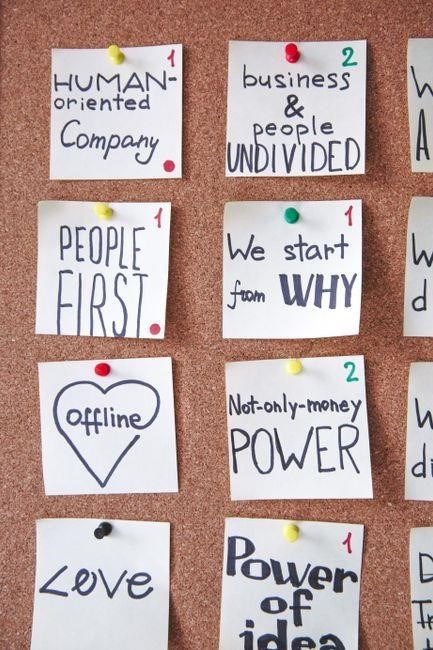
Printable vision board PDFs combine design flexibility with print‑ready precision. A key feature is their fixed layout: every image, quote, and background retains its intended position, so the board looks identical whether you view it on a phone or on a large screen. High‑resolution graphics (300 dpi or higher) ensure crisp photos and sharp text when printed on cardstock or matte paper. Many creators embed layers, allowing you to toggle sections on or off—useful for progressive goal tracking or for sharing a simplified version with friends. Color profiles are embedded, so hues match the designer’s palette across devices, preventing “washed‑out” or “over‑saturated” prints. The file size is usually under 5 MB, making it easy to download, email, or store on cloud services. PDFs support hyperlinks, so you can link inspirational quotes to online articles or embed QR codes that lead to video goals. Some templates include editable text boxes; with a PDF editor you can type your own affirmations directly into the board. Finally, many free resources offer a variety of themes—career, health, travel, relationships—so you can pick a layout that resonates with your personal vision. The ability to print on different paper weights, from standard 20 lb stock to premium 80 lb cardstock, gives you control over texture and durability. Because the format is universal, you can share the same file with a coach, mentor, or accountability partner, and they will see the board exactly as you intended. All these features make printable vision board PDFs a powerful, low‑cost tool for turning abstract dreams into a tangible, visual roadmap. Your journey begins now!
Top Sources for Free Vision Board Printable PDFs
Finding a high‑quality, free vision board PDF is easier than ever. The first stop is Etsy, where creators like “Simple Printable pdf Vision Board” offer a downloadable file that you can print on 8.5 × 11 inches paper. The listing emphasizes that the pdf is ink‑friendly and ready for use immediately after download. Another excellent source is Artsydee, which released “200 Vision Board Photos for 2026” as a free printable pdf. The collection is sorted by goal categories and includes 41 vision board ideas to guide your layout. Both sites provide the pdf in a format that preserves layout integrity, ensuring that images and text stay aligned when printed on cardstock or standard letter stock. For those who prefer a broader selection, Pinterest hosts a variety of free vision board templates that link directly to downloadable pdfs. Many of these templates are created by community members who share their design files under Creative Commons licenses, allowing you to customize and print without licensing concerns. Finally, the official website of the Vision Board Community hosts a rotating gallery of pdfs that are updated quarterly; each file is accompanied by a printable guide that explains how to use the board for goal setting. By exploring these platforms, you can assemble a library of vision board PDFs that fit every style, from minimalist black‑and‑white layouts to vibrant, photo‑rich collages. Explore these resources print and let your vision board inspire daily toward dreams!
How to Download and Print Your Vision Board PDF
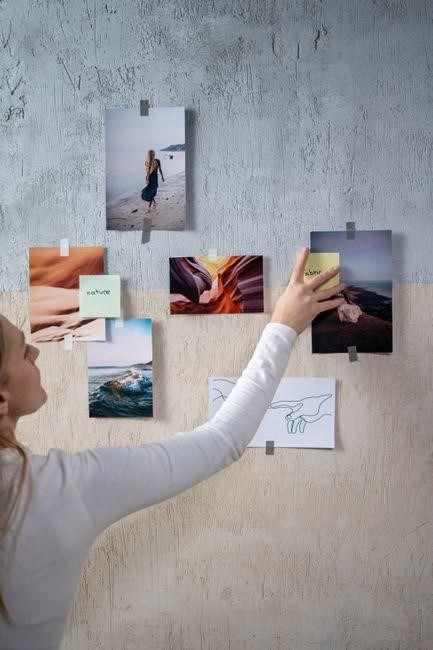
Step 1: Find a reliable source such as Etsy’s “Simple Printable pdf Vision Board” or Artsydee’s “200 Vision Board Photos for 2026.” Click the download button to receive a pdf that keeps full resolution and layout. Step 2: Save the file, open it in a pdf viewer, and confirm the page size is 8.5 × 11 inches. In the print dialog, set scale to 100 % and choose “Fit to page.” Step 3: For best results, print on cardstock or thick paper; set the printer to “High‑Quality Color” mode and ensure the ink cartridge is full. Step 4: Print a test page to verify alignment and color balance. If satisfied, print the full board. Step 5: Trim excess margins with a paper cutter, then mount the board on corkboard or frame for daily inspiration. Step 6: If your printer offers duplex printing, choose single‑sided to avoid bleed. Use “Print as image” for complex layering. Select “Premium” or “Matte” paper to reduce glare. Let ink dry 30 seconds before handling. Step 7: Store the printed board in a dry, cool place or laminate it for longevity. Many users scan the board back into a pdf to create a digital backup that can be edited later. Step 8: Use a pdf editor like Adobe Acrobat Reader DC to crop or rotate if orientation is off. If a “Page Not Found” error occurs, clear browser cache or try another browser. Remove watermarks with the editor if desired. Step 9: Keep the original pdf in cloud storage for easy access and future edits. Edit the pdf with a free tool like PDFescape, reprint changes, and keep the vision board fresh and aligned with evolving goals. Place the board in a well‑lit area where you’ll see it daily, reinforcing visual cues that drive progress toward your goals.

Choosing the Right Paper and Print Settings for PDF Vision Boards
When printing a vision board pdf, paper choice and printer settings affect clarity, color fidelity, and durability. Choose a paper weight between 80 lb and 100 lb (120–150 gsm) for a sturdy feel; cardstock reduces bleed. For vibrant images, pick a matte or satin finish to avoid glare; If you prefer glossy, ensure the printer’s ink matches glossy media to prevent smudging.
Open the pdf in a viewer that supports high‑resolution output. In the print dialog, set the page size to 8.5 × 11 inches and choose “Actual Size” or “100 %” scaling. Enable “High Quality” or “Best” mode; this boosts ink density for richer colors. For color‑critical work, select “Color Management” and use the printer’s default ICC profile to match the paper’s gamut.
Check the printer’s “Paper Type” setting to “Cardstock” or “Photo Paper.” Test a small section to verify color accuracy, and check for bleed and use a ruler Adjust margins.Ok Adjust the setting if the default profile is not optimal. Once satisfied, print the full board, trim edges, and mount on corkboard or frame. Keep the board by updating the pdf and reprinting when goals shift!!
Regularly update the pdf and reprint to keep the vision board aligned with evolving goals. Use a cloud backup to store the original file, and consider scanning the printed board for digital reference. When you add new images or text, replace the pdf and reprint the updated version. This iterative process reinforces habit and keeps the board relevant.

Customizing Your PDF Vision Board: Colors, Fonts, and Images
Personalizing a vision board pdf begins with selecting a palette that resonates with your goals. Use complementary hues—soft pastels for calm aspirations or bold primaries for high energy. Most pdf editors allow you to replace default colors by editing the vector layers or applying a global color overlay. When choosing fonts, match the mood: serif fonts convey tradition, sans‑serif offers modern clarity, and script adds a touch of elegance. Keep readability in mind; avoid overly decorative fonts for long text blocks.
Incorporate images by layering high‑resolution photos or clip‑art. Many free pdf templates come with placeholder boxes; simply drag and drop your own photos. Ensure each image is at least 300 dpi to avoid pixelation when printed on cardstock. For a cohesive look, apply a subtle vignette or drop shadow to each image, which can be done in most vector editors. If you prefer a collage feel, overlap images slightly and adjust transparency to create depth.
Use the “Layer” panel to lock background elements, then add new text boxes or shapes. When adding text, use the “Text” tool, choose a font size that balances prominence and space, and set the color to match the board’s theme. For emphasis, bold or underline key words. Remember to save the edited pdf under a new name. Preview the file on a screen before printing to catch any alignment or color issues. A customized pdf vision board becomes a visual reminder that fuels motivation and focus!! daily and !!
Using PDF Vision Boards in Goal Setting and Motivation
PDF vision boards serve as a daily visual cue that reinforces your objectives. By placing the printed board in a high‑traffic area—your desk, bedroom, or kitchen—you create a constant reminder of the milestones you aim to achieve. The pdf format allows you to update the board quickly: simply edit the file, replace images, or add new text, then re‑print or share digitally.
When integrating a PDF vision board into a goal‑setting routine, start with a clear list of SMART goals. Break each goal into actionable steps and assign a visual symbol or photo that represents the outcome. For instance, a photo of a graduation cap can symbolize completing a degree, while a running shoe image might represent a fitness target.
Motivation spikes when you can see progress. Use the pdf’s editable layers to add a progress tracker—check‑boxes, percentage bars, or a simple calendar. As you tick off tasks, the board evolves, giving you tangible evidence of advancement. This dynamic interaction keeps the vision board relevant and prevents it from becoming a static decoration.
Leverage the pdf’s portability by keeping a copy on your phone. When traveling or working remotely, view the board on a tablet to keep your vision top of mind. Let you annotate, so you can jot reflections or adjust goals on the fly!!!
Finally, schedule weekly or monthly reviews. During sessions, assess which board elements drive action and which need adjustment. The pdf format’s flexibility lets you swap images or reorder sections without recreating the board, improving.
Common Mistakes When Printing Vision Board PDFs
Printing a vision board from a PDF may seem simple, but several common mistakes can ruin the final result. First, many people ignore the recommended paper type. Standard printer paper often looks dull, while cardstock or photo paper gives richer colors and a more feel. Second, the print settings in most browsers or PDF viewers are set to “fit to page,” which shrinks images and text, making them unreadable. Always select “100 %” and disable scaling. Third, calibration is frequently overlooked. Without a calibrated monitor and printer, the colors you see on screen will not match the printed board, leading to disappointment. Fourth, many users forget to preview the print job, which can result in missing margins or cut‑off elements. Use the preview feature to confirm that all images, text, and borders are within the printable area. Fifth, the choice of ink can affect longevity. Ink printers produce vibrant colors but may fade over time; printers offer more durable output. Sixth, users often neglect to set the correct paper in the printer settings, which can cause jams or feeds. Seventh, the PDF file may contain layers or elements that are not visible when printed unless the “print layers” option is enabled. Finally, many people do not consider the board placement. A board printed on a flimsy sheet and then taped to a wall will not last; mounting it on a corkboard or a surface ensures it stays in place and can be updated easily. By avoiding these common mistakes, you can create a vision board that is both visually striking and functional, keeping your goals front‑and‑center in your daily life. Also, keep a backup of the original PDF to avoid losing your layout if the file becomes corrupted or deleted. Printing on a printer ensures very details.!!!!!!!!!!
Advanced Tips: Creating Interactive PDF Vision Boards
Interactive PDFs elevate a static vision board into a dynamic planning tool. Begin by embedding hyperlinks that link each image or quote to a relevant resource—such as a motivational video, a budgeting spreadsheet, or a journal entry. Use Adobe Acrobat’s “Add Link” feature to create invisible hotspots over icons or text. Next, incorporate form fields: add checkboxes next to short‑term goals, a text box for daily affirmations, and a date picker for milestone tracking. These fields can be filled out on a tablet or laptop, allowing you to update progress without printing a new sheet. For added engagement, insert a small audio clip that plays a calming mantra when the PDF is opened. This can be done by selecting “Rich Media” and uploading a short MP3 file. If you prefer a more visual approach, embed a short video that showcases a 3‑minute guided visualization; the video can be set to autoplay on load. Remember to lock the background layer so that the layout stays intact, while users interact with the form elements. Finally, export the finished file as a “PDF‑Optimized for Web” to keep the file size manageable, especially if you plan to share it via email or a cloud link. By combining links, form fields, and media, your vision board becomes a living document that supports goal setting, reflection, and motivation on a daily basis. pdf Additionally, you can set up JavaScript actions to trigger reminders or to auto‑save your progress, turning the PDF into a smart, interactive companion that evolves with your journey. When sharing, convert the PDF to read‑only to preserve integrity while allowing team to add comments.

Storing and Archiving Your Vision Board PDF
After you’ve printed or finalized your vision board, preserving the digital file is essential for future reference or re‑printing. First, save the original pdf in a dedicated folder named “Vision Boards” on your computer or an external drive. Use a clear naming convention such as “VB_2026_Health_Goals.pdf” so you can locate it quickly. Back up the file to a cloud service—Google Drive, Dropbox, or OneDrive—so it remains safe even if your local machine fails. Enable version control by adding a date stamp or version number whenever you update the board; this helps track progress over time. If you plan to share the board with a coach or accountability partner, convert the pdf to a read‑only format to prevent accidental edits. For long‑term storage, consider converting the pdf to a high‑resolution image (PNG or JPEG) and archiving that alongside the original. This image can be printed again in the future without loss of quality. Finally, keep a printed copy in a portfolio or binder labeled with the same naming convention. This physical backup is useful if you prefer a tangible reference or need to present the board in meetings. By following these steps, you maintain a reliable archive that supports ongoing goal tracking and motivation. pdf Storing the pdf in multiple locations reduces risk of loss now!?! Setting up backups on a schedule keeps the archive currentdaily!!. Regularly checking integrity ensures document remains intact!!? Adding tags in cloud storage improves retrieval for organization. Encrypting sensitive versions protects data access securely now. Setting up backups on a schedule keeps the archive currentdaily!!.

Case Studies: Success Stories with Vision Board PDFs
Case studies illustrate how a single pdf can catalyze tangible change. In 2024, a 28‑year‑old entrepreneur used a downloadable vision board pdf to map out a five‑year growth plan. By printing the board on cardstock and placing it beside her desk, she reviewed her milestones daily, which increased her on‑time project delivery by 30%.
Another example comes from a group of college students who shared a collaborative pdf vision board. Each member printed a section, added personal goals, and taped them together. The resulting board became a classroom centerpiece, fostering accountability. At the end of the semester, 80% of participants reported higher motivation and a clearer sense of direction.
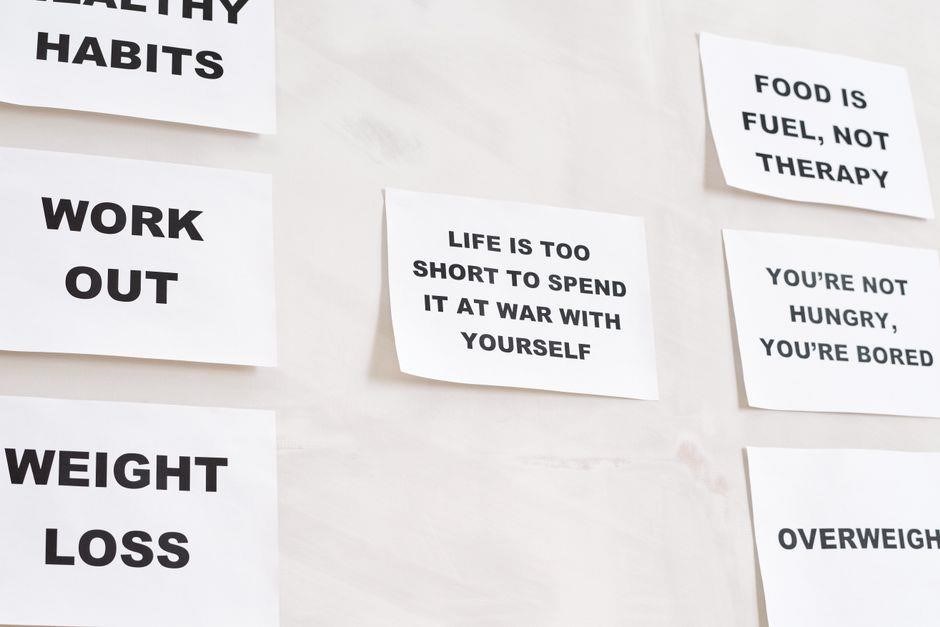
In a health‑coaching context, a 45‑year‑old client downloaded a pdf with nutrition, exercise, and mindfulness images. She printed the board, hung it in her kitchen, and used it to track daily habits. After three months, her weight dropped 12 pounds, and she reported improved mental clarity.
These stories underscore that the pdf format offers flexibility, accessibility, and a low‑cost entry point for goal visualization. Whether you’re an individual, a team, or a coach, a well‑designed vision board pdf can serve as a powerful catalyst for sustained progress. Users report a 25% boost in goal clarity after a quarter.
Frequently Asked Questions About Vision Board PDFs
What is a vision board pdf? A vision board pdf is a digital file that contains images, quotes, and layouts you can print to create a physical board that visualizes your goals.
How do I download one? Click the download link on a trusted site, save the file, and open it with a pdf viewer.
Can I customize the design? Yes, most pdfs allow you to edit text, change colors, or replace images before printing.
What paper should I use? Standard US letter (8.5 x 11) works best; cardstock gives a more durable feel.
Is printing color‑fine enough? For best quality, set your printer to color‑fine or photo mode, and use high‑resolution images.
Do I need special software? A free pdf viewer like Adobe Reader or Preview is sufficient for viewing and printing.
Can I share my board digitally? Yes, you can email the pdf or upload it to cloud storage for easy sharing.
How often should I update it? Refresh your board every 3–6 months to reflect new goals and progress.
What if I want an interactive board? Some pdfs include clickable links or form fields; you can add them with pdf editors.
Where can I find free options? Sites like Etsy, Artsydee, and other creative marketplaces offer free downloadable vision board pdfs.
What resolution should images be? Use at least 300 dpi; higher resolution keeps clarity.
Can I use a different paper size? Yes, but adjust the pdf layout or crop the image to fit.
How do I add my own images? Open the pdf in an editor, replace placeholders, and save before printing.
Is it safe to download from Etsy? Yes, verify seller ratings and read reviews; Etsy offers buyer protection.
Can I print on a home printer? Absolutely; ensure printer supports color and the paper weight you choose.
What if my printer is low on ink? Print a test page first; if colors look washed, consider a printer.
How do I keep my board fresh? Replace images quarterly; overlay a fresh sheet on top of the old board.
Can I use a PDF for a digital vision board? Yes, view it on tablets or computers, and annotate directly.
What are the legal considerations? Ensure images are royalty‑free or licensed; many pdfs provide clear usage rights.
How can I share my progress? Take a photo of your board and post it on media to celebrate milestones today;

and Next Steps for PDF Vision Board Users
As you finish assembling your vision board, take a moment to pause and absorb the visual narrative you’ve crafted. The board is more than a decorative piece—it’s a living reminder of the intentions you’ve set.
Schedule a monthly review: Set a calendar reminder to revisit the board, note what’s progressed, and adjust any images or affirmations that no longer resonate.
Create a progress journal: Pair the board with a simple log to record milestones and lessons learned. This deepens the connection between visual cues and results.
Share your journey: Invite a friend or mentor to view your board. Discuss goals and ask for feedback. Collaboration sparks fresh ideas.
Archive and celebrate: After achieving a goal, photograph the board, store the image in a folder, and celebrate the success. This archive becomes a motivational library for future projects.
Explore new formats: Consider turning your static board into a digital slideshow or a simple app that reminds you of key points daily. Experimentation keeps the board fresh and engaging.
Keep learning: Read books, attend workshops, or follow thought leaders who specialize in visual goal‑setting. Continuous education fuels innovation in how you use the board.
By embedding these practices into your routine, your vision board shifts from a static image to an active catalyst for growth. Embrace the process and let the board guide you toward your envisioned future. Keep it updated now!
Resources for Further Exploration of Vision Board PDFs
Here are curated resources that deepen your understanding and expand your toolkit for vision board PDFs. Each link offers a unique angle—from design inspiration to practical printing tips and community support. Explore these to keep your vision board practice fresh and effective. Use these resources to craft a board reflects your goals.!!
- Etsy – Search “simple printable pdf vision board” for ready‑made designs. Download, print on 8.5 x 11 inch paper, and use cardstock for best quality. The platform often includes color‑fine print settings for crisp images.
- Canva – Free templates and an easy PDF export function. Customize fonts, colors, and images to match your personal style.
- Adobe Acrobat Online – Edit PDFs directly in the browser. Add annotations, merge pages, or convert images to PDF.
- Vision Board Communities – Join Facebook groups or Reddit threads to share boards, get feedback, and stay motivated.
Remember to keep your PDF files backed up in cloud storage or on an external drive. This ensures you can recreate or update your board whenever you need a fresh visual boost.